
Steps to Healing from Trauma: Recovery Methods
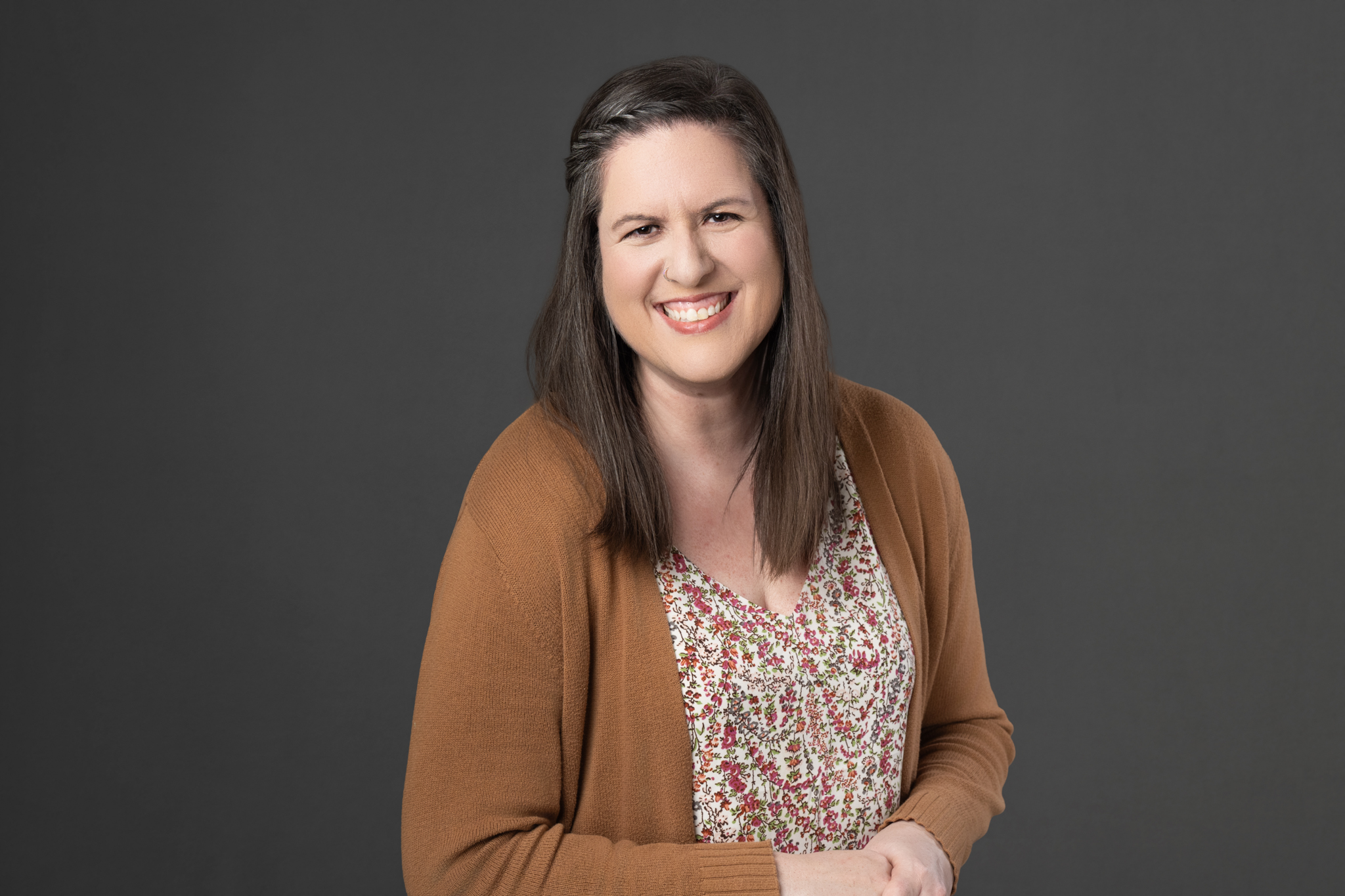
Healing from trauma is a journey that requires patience, support, and the right tools. If you feel overwhelmed by addiction, anxiety, or the weight of past experiences, know that you don’t have to carry that burden alone. I’m here for you, Texas, offering a compassionate space where healing is possible. Together, we can explore effective trauma recovery methods that help you regain control, build resilience, and start thriving.
Understanding Recovery Methods
When it comes to healing, trauma recovery methods are essential. These approaches help you process difficult emotions, regulate your nervous system, and rebuild a sense of safety. One powerful method I use is Brainspotting, which helps access and release deep emotional pain by focusing on specific eye positions. Alongside this, I teach vital tools for emotional regulation and setting healthy boundaries, which are crucial for long-term healing.
Here are some trauma recovery methods that can make a difference:
Brainspotting: A technique that locates and processes trauma stored in the brain.
Mindfulness and grounding exercises: Help you stay present and reduce anxiety.
Cognitive Behavioral Therapy (CBT): Identifies and changes negative thought patterns.
Setting healthy boundaries: Protects your emotional well-being in relationships.
Support groups and community: Provide connection and understanding.
By combining these methods, you can create a personalized healing plan that fits your unique needs.

What are the 4 types of trauma?
Understanding the different types of trauma can help you identify what you might be experiencing and guide your healing process. The four main types of trauma include:
Acute Trauma: Results from a single distressing event, such as an accident or sudden loss.
Chronic Trauma: Comes from repeated and prolonged exposure to stressful events, like ongoing abuse or neglect.
Complex Trauma: Involves exposure to multiple traumatic events, often of an invasive, interpersonal nature.
Secondary or Vicarious Trauma: Occurs when someone is indirectly affected by trauma, such as caregivers or therapists.
Recognizing these types helps tailor trauma recovery methods to your specific situation, ensuring you get the support you need.
Practical Steps to Begin Healing
Starting your healing journey can feel overwhelming, but breaking it down into manageable steps makes it easier. Here are practical actions you can take right now:
Acknowledge Your Experience
Accept that what you went through was difficult and that your feelings are valid. This is the first step toward healing.
Seek Professional Support
Working with a therapist trained in trauma recovery methods can provide a safe space to explore your feelings and develop coping strategies.
Learn Emotional Regulation Tools
Techniques like deep breathing, progressive muscle relaxation, and mindfulness can help you manage intense emotions.
Set Healthy Boundaries
Protect your energy by learning to say no and creating limits in relationships that feel unsafe or draining.
Build a Support Network
Connect with trusted friends, family, or support groups who understand and respect your healing process.
Practice Self-Compassion
Be gentle with yourself. Healing is not linear, and setbacks are part of growth.
By taking these steps, you empower yourself to move from surviving to thriving.

How I Support Your Healing Journey
At PG Therapy, I offer more than just talk therapy. My approach includes specialized support tailored to your needs:
Brainspotting sessions to access and release stored trauma.
Teaching emotional regulation skills that you can use daily.
Guidance on setting and maintaining healthy boundaries.
Assistance with ESA letters and FMLA paperwork to support your mental health needs.
Clinical supervision for associate therapists to ensure quality care.
My goal is to create a compassionate, non-judgmental space where you feel safe to explore your feelings and grow stronger. Healing is possible, and you don’t have to do it alone.
Moving Forward with Hope and Strength
Healing from trauma is a courageous act. It takes time, effort, and the right support system. Remember, you are not defined by your past. With the right trauma recovery methods and compassionate care, you can reclaim your life and build resilience.
If you’re ready to take the next step, reach out. Together, we can create a path toward balance, peace, and thriving beyond survival. You deserve to heal and live fully. If you or someone you know is struggling, don’t hesitate to seek help. Healing is a journey, and every step forward counts.


Comments