
Recognizing and Managing Signs of Trauma Disorders: PTSD and CPTSD
Living with the aftermath of trauma can feel like carrying a heavy, invisible weight. If you’ve experienced trauma, whether recently or long ago, you might notice changes in how you feel, think, or relate to others. These changes can sometimes be signs of trauma disorders like Post-Traumatic Stress Disorder (PTSD) or Complex PTSD (CPTSD). Understanding these signs is the first step toward healing. I’m here for you, Texas, to help you recognize these symptoms and offer compassionate ways to manage them.
Understanding the Signs of Trauma Disorders
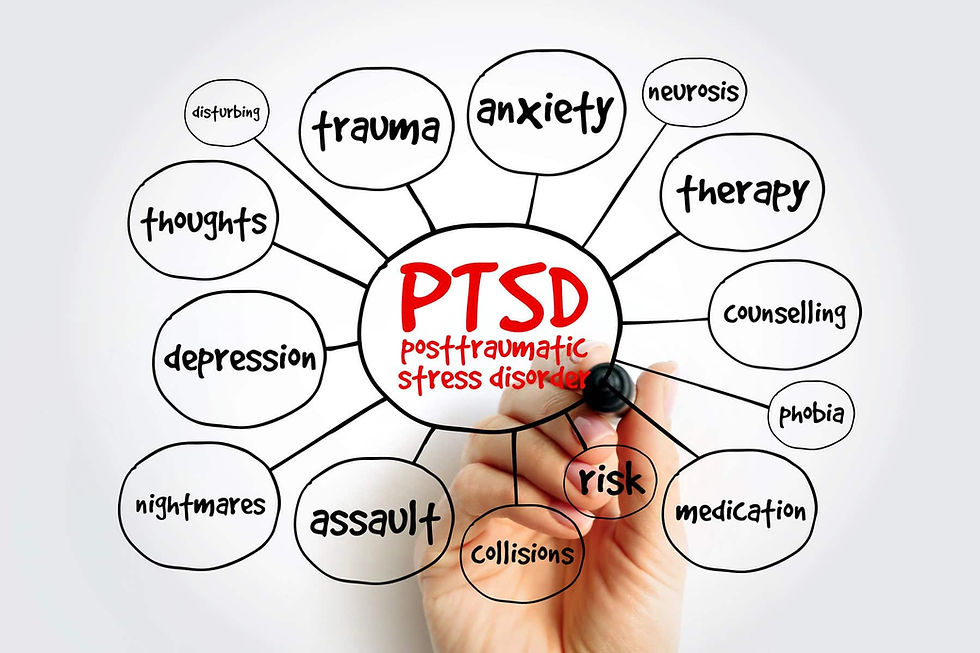
Trauma affects everyone differently, but there are common signs that can help you identify if you or a loved one might be struggling with a trauma disorder. These signs often fall into several categories:
Intrusive memories: Flashbacks, nightmares, or unwanted thoughts about the traumatic event.
Avoidance: Steering clear of places, people, or activities that remind you of the trauma.
Negative changes in thinking and mood: Feeling hopeless, detached, or emotionally numb.
Changes in physical and emotional reactions: Being easily startled, feeling tense, or having difficulty sleeping.
For example, someone who survived a car accident might avoid driving or even riding in cars. They might also experience sudden panic when hearing screeching tires or see images of crashes in the media. These reactions are not signs of weakness but natural responses to trauma.
Recognizing these signs early can make a big difference. It allows you to seek support and start learning tools to manage symptoms before they become overwhelming.
How to Recognize the Signs of Trauma Disorders in Daily Life
Sometimes, trauma symptoms can be subtle or mistaken for other issues like anxiety or depression. Here are some practical ways to spot signs of trauma disorders in everyday life:
Mood swings and irritability: You might find yourself snapping at loved ones or feeling angry without a clear reason.
Difficulty concentrating: Trauma can make it hard to focus on work, school, or daily tasks.
Physical symptoms: Headaches, stomachaches, or chronic pain without a clear medical cause.
Relationship struggles: Feeling distant from family or friends, or having trouble trusting others.
Emotional numbness: Feeling disconnected from your feelings or the world around you.
If you notice these signs persisting for weeks or months, it’s important to reach out for help. Trauma doesn’t have to control your life.
Is CPTSD a Lifelong Condition?
Complex PTSD (CPTSD) often develops after prolonged or repeated trauma, such as childhood abuse or ongoing domestic violence. It shares many symptoms with PTSD but also includes difficulties with emotional regulation, self-perception, and relationships.
You might wonder if CPTSD is something you have to live with forever. The good news is that while CPTSD can be challenging, it is not necessarily a lifelong sentence. Healing is possible with the right support and tools.
Therapies like Brainspotting, which I use in my practice, help access and process deep emotional wounds safely. Learning emotional regulation skills and setting healthy boundaries are also key steps toward recovery. With time and care, many people find they can move from surviving to truly thriving.

Practical Strategies for Managing Symptoms of PTSD and CPTSD
Managing trauma symptoms takes patience and practice. Here are some actionable strategies that can help:
Grounding techniques: When feeling overwhelmed, focus on your senses. Name five things you see, four you can touch, three you hear, two you smell, and one you taste. This helps bring you back to the present moment.
Breathing exercises: Deep, slow breaths can calm your nervous system. Try inhaling for four counts, holding for four, and exhaling for four.
Establish routines: Predictable daily schedules can create a sense of safety and control.
Set boundaries: Learn to say no and protect your emotional space. This is especially important if your trauma involved boundary violations.
Seek support: Whether through therapy, support groups, or trusted friends, connection is vital.
If you’re dealing with anxiety or addiction alongside trauma, these strategies can also support your overall well-being. Remember, healing is not linear. Some days will be harder than others, and that’s okay.
How I Support Healing and Growth
At PG Therapy, I offer a compassionate space where you can feel safe to explore your experiences and emotions. Using methods like Brainspotting, I help you access and process trauma in a gentle, effective way. I also teach vital tools for emotional regulation and boundary-setting, empowering you to regain control over your life.
Healing from trauma is a journey, and every step forward is a victory. If you recognize signs of trauma disorders in yourself or someone you care about, reach out for support. You deserve to live a life filled with peace, connection, and joy. Let’s start that journey today.


Comments