
Healing Trauma with Brainspotting Therapy Benefits

Feeling overwhelmed by addiction, trauma, or anxiety can make life feel like an uphill battle. You don’t have to carry that weight alone. I’m here for you, offering a compassionate space where healing is possible. One of the powerful tools I use is Brainspotting, a therapy that helps you access and process deep emotional pain. Alongside this, I teach vital skills for emotional regulation and setting healthy boundaries. Together, we can work toward a life where you’re not just surviving but truly thriving.
Understanding Brainspotting Therapy Benefits
Brainspotting therapy benefits those struggling with trauma, anxiety, and addiction by targeting the brain’s natural ability to heal itself. This method helps locate and process the source of emotional pain stored in the brain and body. Unlike traditional talk therapy, Brainspotting uses eye positions to access these hidden areas, allowing for deep healing without needing to relive the trauma in detail.
Some key benefits include:
Faster emotional processing: Brainspotting can accelerate healing by directly accessing the brain’s trauma centers.
Reduced anxiety and stress: Many clients report feeling calmer and more grounded after sessions.
Improved emotional regulation: You learn tools to manage overwhelming feelings and set healthy boundaries.
Support for addiction recovery: Addressing underlying trauma can reduce triggers and cravings.
Non-invasive and gentle: The therapy respects your pace and comfort level.
For example, a client struggling with anxiety after a car accident found relief after just a few sessions. By focusing on specific eye positions, we were able to unlock and process the trauma stored in their nervous system, leading to less panic and more peace.
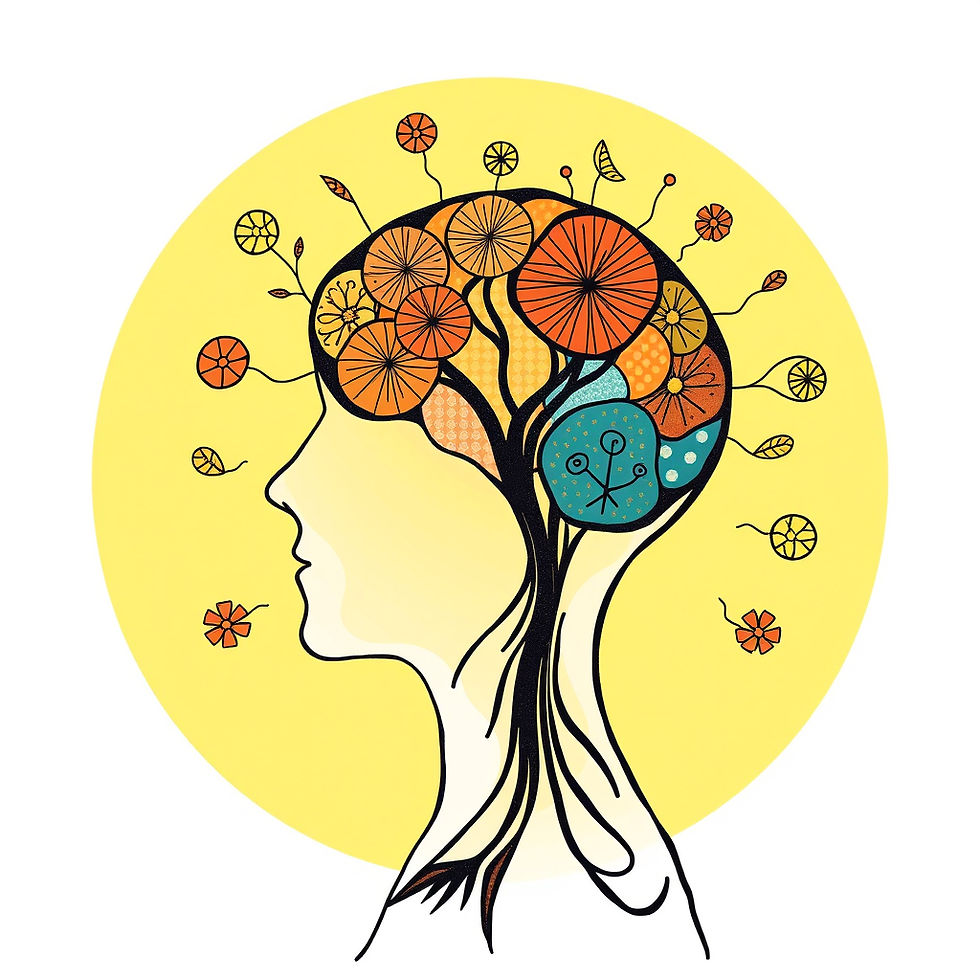
How Brainspotting Therapy Supports Healing from Trauma
Trauma can leave deep imprints on the brain and body, often causing symptoms like flashbacks, anxiety, and emotional numbness. Brainspotting therapy helps by pinpointing the exact “brainspots” where trauma is held. This allows the brain to process and release the stuck energy safely.
During a session, I guide you to focus on a specific eye position while tuning into your body’s sensations. This process helps your brain access the trauma without overwhelming your conscious mind. It’s a gentle yet powerful way to heal.
Here’s how it works in practice:
Identify the issue: We start by discussing what you want to work on.
Locate the brainspot: Using eye positions, we find the spot linked to the trauma.
Process the trauma: You stay focused on the spot while your brain naturally processes the pain.
Integrate healing: We check in on your feelings and teach you tools to maintain balance.
This approach is especially helpful for those who find it hard to talk about their trauma or feel stuck in traditional therapy. It’s a way to heal that respects your pace and emotional safety.
Is brainspotting a legitimate therapy?
You might wonder if Brainspotting is a legitimate therapy. The answer is yes. Since its development in 2003, Brainspotting has gained recognition among mental health professionals for its effectiveness in treating trauma and related conditions.
Research shows that Brainspotting can:
Reduce symptoms of PTSD and anxiety
Help with addiction recovery
Improve emotional regulation
Support performance enhancement in athletes and artists
Many therapists, including myself, have seen firsthand how this method helps clients access deep healing quickly and safely. It’s a scientifically grounded approach that complements other therapies and offers a unique path to recovery.
Practical Tools to Complement Brainspotting Therapy
Healing trauma is a journey, and Brainspotting is one powerful step. Alongside this therapy, I teach practical tools to help you manage emotions and build resilience daily. These include:
Mindfulness techniques: Simple breathing and grounding exercises to stay present.
Setting healthy boundaries: Learning to say no and protect your emotional space.
Self-compassion practices: Treating yourself with kindness during tough moments.
Journaling prompts: Reflecting on your progress and feelings.
Support with paperwork: Assistance with ESA letters and FMLA forms to ease life’s stressors.
For example, after a Brainspotting session, you might practice a grounding exercise to stay calm when anxiety arises. These tools empower you to take control of your healing outside of therapy sessions.

Moving Beyond Surviving to Thriving
Healing trauma is not just about reducing pain; it’s about reclaiming your life. With the right support, you can move beyond surviving to thriving. My goal is to walk alongside you on this path, offering compassionate care and effective methods like Brainspotting.
If you’re ready to start this journey, know that you don’t have to do it alone. Together, we can build resilience, find balance, and create a future where you feel empowered and whole. Isn’t it time you started thriving?


Comments