
Couples Therapy: Healing Together
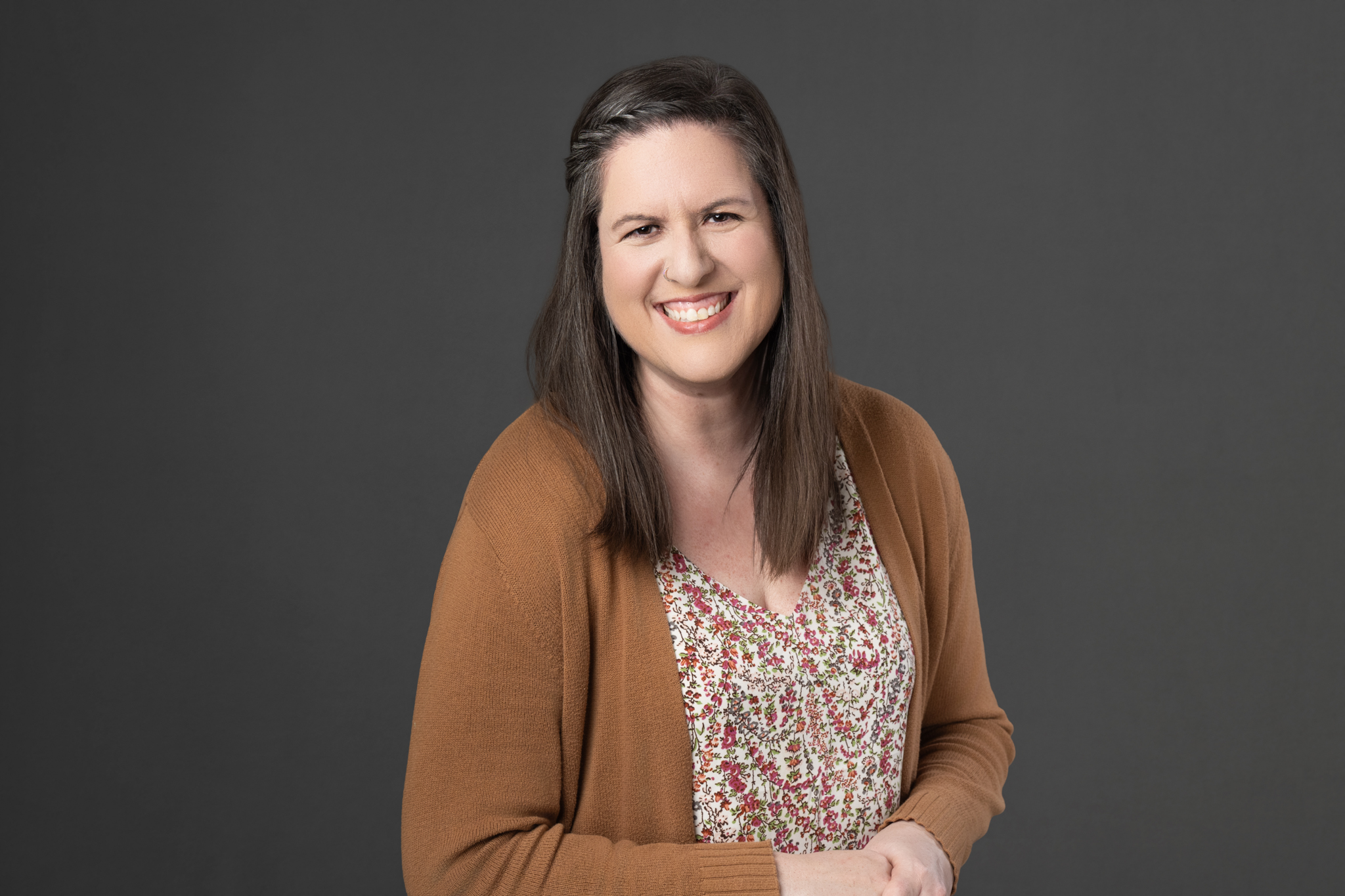
Feeling overwhelmed by addiction, trauma, or anxiety can weigh heavily on your relationship. You don’t have to carry that burden alone. Couples therapy offers a compassionate space where both partners can heal, grow, and learn vital tools for emotional regulation and setting healthy boundaries. This support is more accessible than ever, and I’m here to guide you through the process.
Understanding Couples Therapy and Its Benefits
Couples therapy is a specialized form of counseling designed to help partners improve communication, resolve conflicts, and strengthen their emotional connection. It’s not just for couples in crisis; it’s a proactive way to build resilience and deepen intimacy.
In therapy, you’ll explore patterns that may be causing tension, such as unresolved trauma or anxiety. For example, if one partner struggles with addiction, therapy can provide strategies to support recovery while maintaining a healthy relationship dynamic. You’ll also learn how to set boundaries that protect your emotional well-being without pushing your partner away.
Some key benefits include:
Improved communication skills
Enhanced emotional understanding
Conflict resolution techniques
Tools for managing stress and anxiety together
Rebuilding trust after trauma or addiction
By working together in a safe, supportive environment, couples can move beyond just surviving and start thriving.

How Brainspotting and Emotional Regulation Tools Help Couples
One of the powerful methods I use in therapy is Brainspotting. This technique helps identify and process trauma stored in the brain, even when words are hard to find. It’s especially effective for couples where one or both partners have experienced trauma or addiction.
Brainspotting works by focusing your gaze on specific points that correlate with emotional experiences. This allows your brain to access and release deep-seated feelings safely. When combined with teaching emotional regulation tools, couples can better manage anxiety and stress in their daily lives.
For example, I teach breathing exercises, mindfulness practices, and grounding techniques that partners can use during moments of tension. These tools help prevent arguments from escalating and promote calm, thoughtful responses.
Setting healthy boundaries is another crucial skill. Couples learn to express their needs clearly and respectfully, which reduces misunderstandings and builds mutual respect.

Navigating Addiction, Trauma, and Anxiety Together
Addiction, trauma, and anxiety don’t just affect individuals; they impact relationships deeply. Couples therapy provides a space to address these challenges side by side.
If addiction is part of your story, therapy can help both partners understand the cycle and develop strategies for support and recovery. This might include creating relapse prevention plans or learning how to communicate without blame.
Trauma can create barriers to intimacy and trust. Through therapy, couples can gently explore these wounds and work toward healing together. This process often involves patience and compassion, as well as professional guidance to avoid retraumatization.
Anxiety can cause misunderstandings and emotional distance. Couples learn to recognize anxiety triggers and support each other in managing symptoms. This shared understanding fosters empathy and connection.
Remember, healing is a journey. It’s okay to take small steps and celebrate progress along the way.
Practical Steps to Start Couples Therapy
Taking the first step toward couples therapy can feel daunting, but it’s a courageous move toward a healthier relationship. Here’s how to get started:
Find a qualified therapist - Look for someone experienced in couples therapy and familiar with methods like Brainspotting and emotional regulation.
Schedule an initial consultation - This session helps you understand the therapist’s approach and discuss your goals.
Commit to regular sessions - Consistency is key to making meaningful progress.
Be open and honest - Therapy works best when both partners are willing to share and listen.
Practice tools outside of sessions - Use the techniques you learn in daily life to strengthen your bond.
Moving Beyond Surviving: Thriving as a Couple
Isn’t it time you started thriving? Couples therapy is more than fixing problems; it’s about building a partnership where both individuals feel seen, heard, and valued. It’s about creating a foundation of trust and resilience that can weather life’s challenges.
By embracing therapy, you’re investing in your relationship’s future. You’re learning to navigate addiction, trauma, and anxiety with compassion and strength. You’re gaining tools that empower you to set boundaries and regulate emotions effectively.
If you’re ready to take that step, know that support is available. Healing together is possible, and you don’t have to do it alone.
If you want to learn more about how couples therapy can help you and your partner, feel free to reach out. I’m here for you and ready to walk alongside you on this journey toward healing and thriving.


Comments